 02 Mar, 2026
Charging, Storage, Disposal and How to Maximise Battery Life
Smartphones and tablets are essential tools in everyday life, but the lithium-ion batteries inside them require proper care. When used correctly, they are very safe and can last for years. However, poor charging habits, cheap accessories, and unsafe disposal methods can lead to reduced battery life, device damage, or even fire risks.
At Lee’s Phone Repairs, we believe in educating our customers so they can protect their devices and stay safe. This guide covers everything you need to know about safe battery use, charging, storage, and disposal in Australia, along with the best tips to get the longest life from your phone or tablet battery.
Why Lithium-Ion Batteries Need Proper Care
Modern smartphones and tablets use lithium-ion or lithium-polymer batteries because they are lightweight, efficient, and powerful. However, they also contain chemicals that can become unstable if the battery is damaged, overheated, or charged incorrectly. These batteries are classified as dangerous goods under Australian regulations, meaning they must be handled and disposed of safely.
Incorrect charging, poor-quality chargers, or physical damage can cause “thermal runaway,” a chain reaction that leads to overheating, fire, or explosion.
How to Charge Your Phone or Tablet Battery Safely
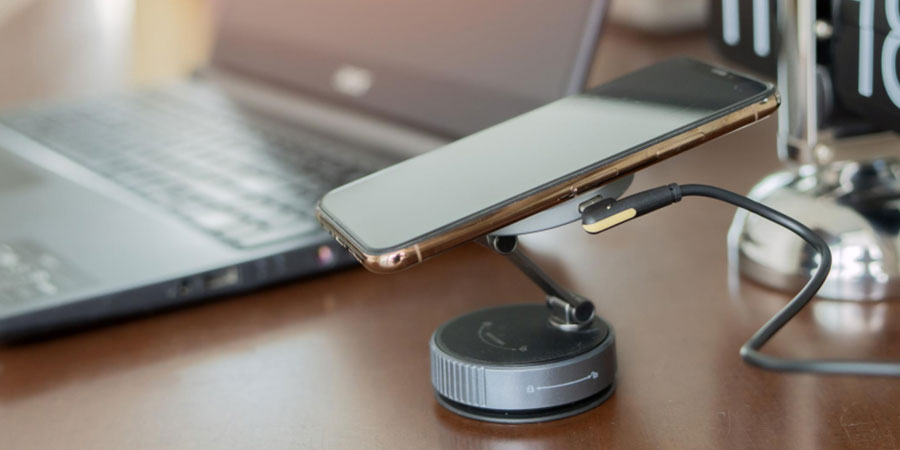
Safe Charging Practices
To keep your battery safe and maximise its lifespan:
Use certified chargers only
Always use the original charger or a high-quality replacement that meets Australian safety standards and carries the Regulatory Compliance Mark (RCM). Using the wrong charger can damage the battery and increase the risk of overheating or fire.
Charge on a hard, non-flammable surface
Concrete, tiles, or a desk are ideal. Charging on beds, lounges, or carpets increases fire risk.
Unplug once fully charged
Leaving devices connected constantly can generate heat and accelerate battery wear. Monitoring charging times and unplugging helps extend battery life.
Allow batteries to cool before charging
If your device is hot after gaming, streaming, or heavy use, give it time to cool before plugging in. Heat is one of the biggest causes of battery degradation.
Check cables and chargers regularly
Replace damaged or frayed cables immediately.
Unsafe Charging Habits to Avoid
Avoid these common mistakes:
Fire services across Australia have warned that poor charging practices and low-quality accessories are major causes of lithium battery fires.
How to Get the Longest Life from Your Battery
The average phone battery lasts 2–4 years, but the right habits can extend this significantly.
Best Battery Health Tips
Keep your battery between 20% and 80% when possible
Avoid regularly draining to 0% or staying at 100% for long periods.
Avoid extreme heat and cold
Heat causes the fastest battery damage. Store and use your device in moderate temperatures.
Reduce heavy charging cycles
Frequent full charge cycles wear batteries faster.
Use genuine or high-quality replacement batteries
At Lee’s Phone Repairs, we use premium batteries that work with diagnostics and remove non-genuine warnings where available.
Avoid fast charging all the time
Fast charging is convenient but generates more heat.
Safe Storage of Phone and Tablet Batteries
If you have spare devices or batteries:
Safe Storage Tips
Proper storage helps reduce degradation and lowers the risk of fire or swelling.
Unsafe Storage Practices
If you notice swelling, leaking, or unusual smells, stop using the device immediately.
Safe Disposal of Phone and Tablet Batteries in Australia
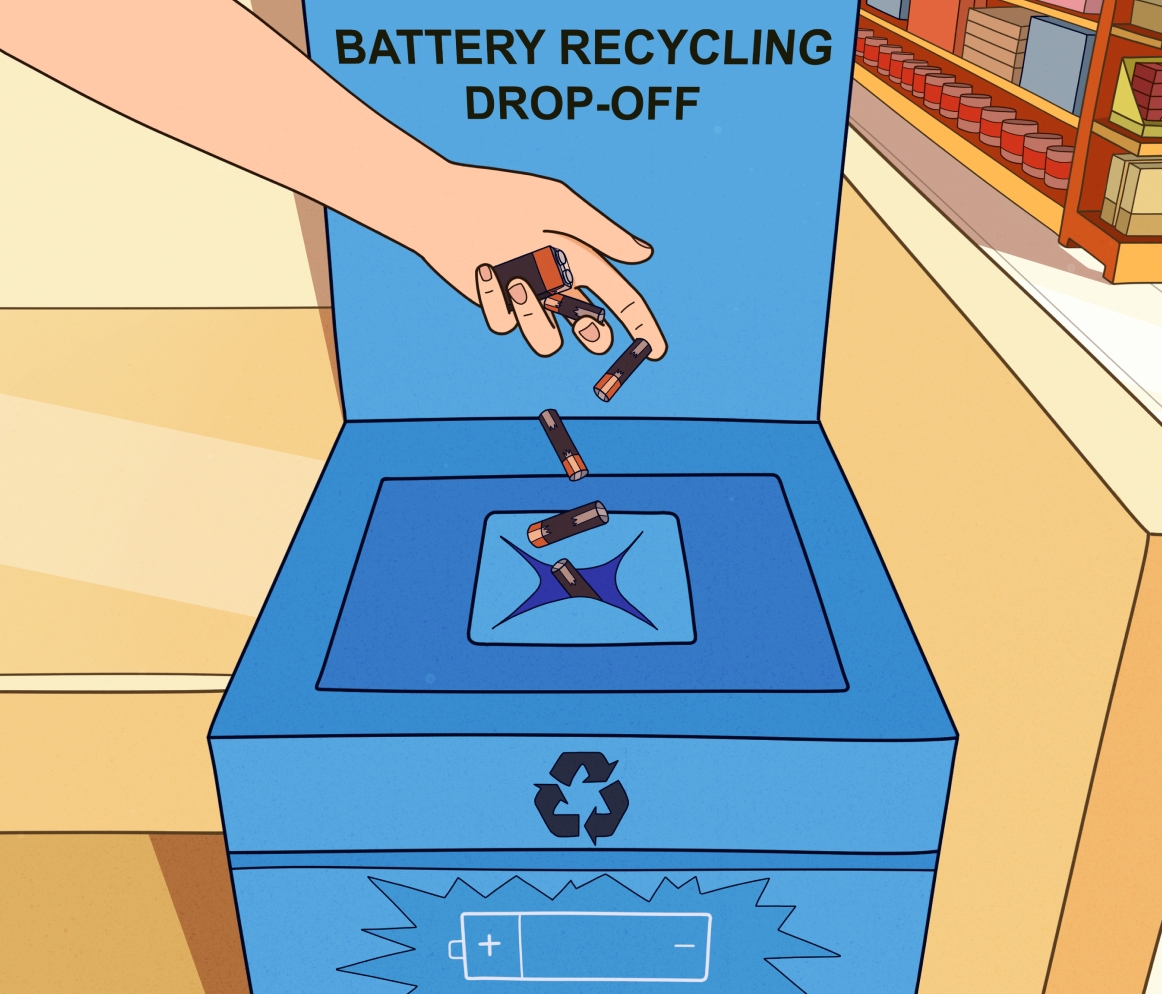
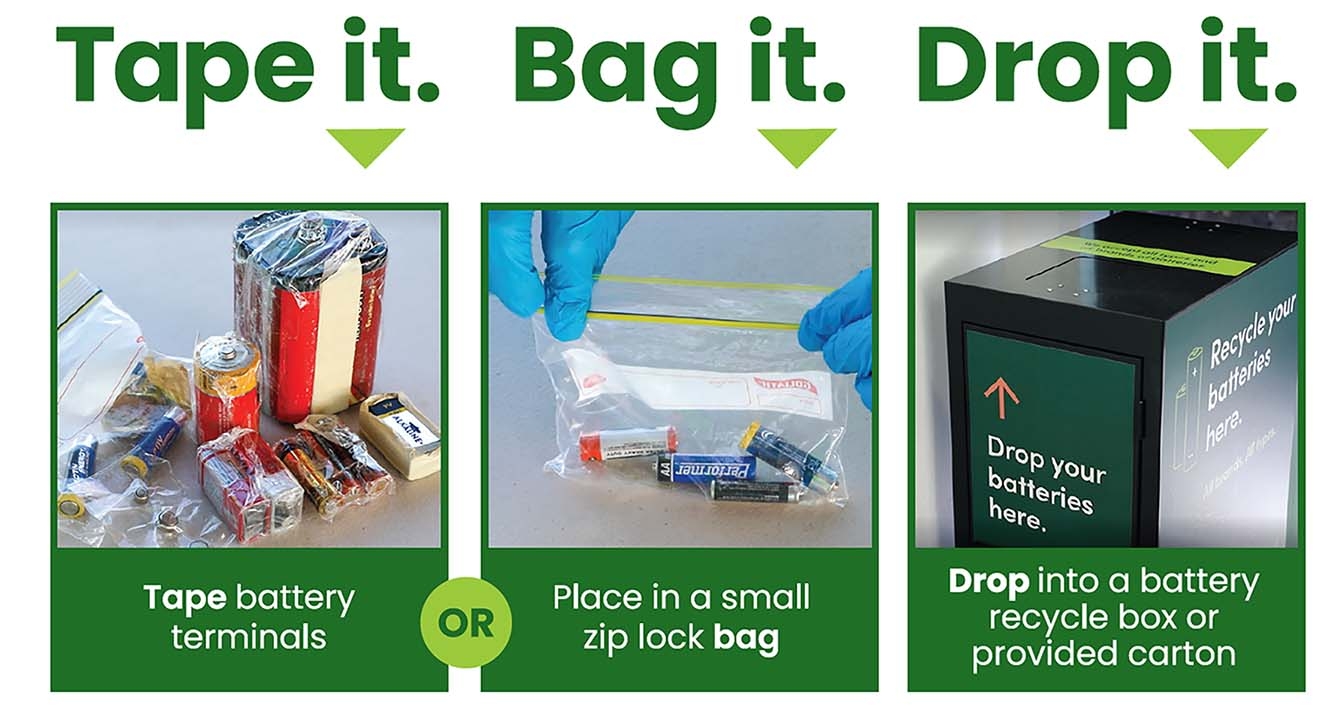
Lithium-ion batteries must never be thrown in household rubbish or recycling bins. They can ignite in garbage trucks or waste facilities.
Australia has strict guidelines to ensure safe disposal and environmental protection.
How to Dispose of Batteries Safely
Use approved recycling programs
The official national scheme is B-cycle, with drop-off points at many retailers and councils.
Tape battery terminals before disposal
This prevents sparks and fires during transport.
Handle damaged batteries carefully
Wear gloves and place them in a sealed plastic bag before contacting your local council for instructions.
Use dedicated programs for mobile batteries
Programs such as Mobile Muster help recycle phone batteries safely.
What NOT to Do When Disposing of Batteries
Some Australian states are introducing or exploring landfill bans for batteries due to fire risks and environmental concerns.
Warning Signs of a Dangerous Battery
Stop using your device and seek professional help if you notice:
These are signs of battery failure and should be taken seriously.
Why Quality Chargers and Parts Matter
Many battery incidents are caused by cheap, non-compliant chargers or replacement batteries that do not meet Australian standards. Using certified products significantly reduces risks and improves device longevity.
At Lee’s Phone Repairs, we focus on:
Final Thoughts
Lithium-ion batteries are safe and reliable when used correctly, but poor charging habits, cheap accessories, and incorrect disposal can lead to serious risks. By following the simple safety steps above, you can extend your battery’s life, protect your device, and keep your home safe.
If your phone or tablet battery isn’t lasting like it used to, or you notice swelling or overheating, it’s best to have it checked by a professional.
Need a Battery Replacement in Beenleigh?
Lee’s Phone Repairs provides high-quality battery replacements, fast turnaround times, and expert advice. Visit us in Beenleigh or contact our team to keep your device running safely and reliably.




 0466 582 688